Phalloplasty Surgery

What is Phalloplasty?

Phalloplasty surgery is a complex gender-affirming procedure that constructs a penis using donor tissue from the patient’s forearm (RFF Phalloplasty), thigh (ALT Phalloplasty), abdomen (Abdominal Phalloplasty), or back (MLD Phalloplasty). These flaps heal well, with good sensation, due to a robust blood supply and innervation. 

Phalloplasty is a key component of transmasculine bottom surgery and typically involves multiple surgical procedures over many months. Related procedures include urethral lengthening, scrotoplasty, and erectile implants.

Our surgical team includes microsurgeons, and we perform “free flap” Phalloplasty. Free flaps, such as the RFF, ALT, and MLD, require meticulous dissection of arteries, veins, and nerves. Subsequently, after transferring the flap to the site of the phallus, the microscope is used to connect the small blood vessels and sensory nerves to the transferred flap. Like Metoidioplasty, urethral lengtheningscrotoplasty, and vaginectomy can be performed at the same time.

Once appropriate healing has been achieved, a penile implant may be inserted into the phallus to allow for penetrative intercourse. 

Donor Sites

Choosing the donor site for Phalloplasty can be daunting. This decision should be made in conjunction with your surgeon based on your surgical goals and body type. 

Radial Forearm Phalloplasty

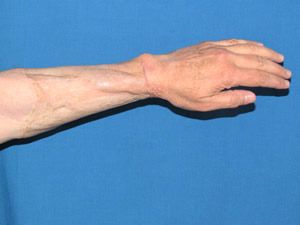
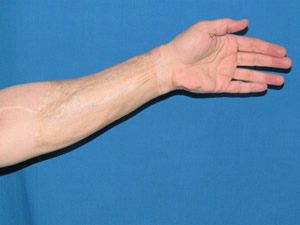
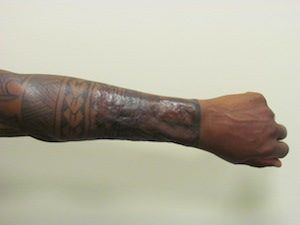
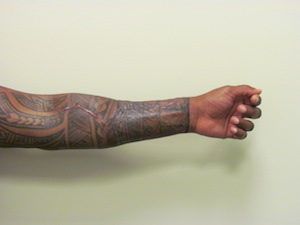
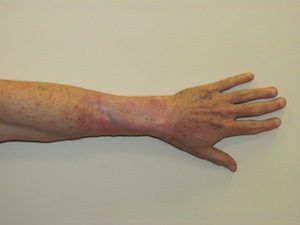
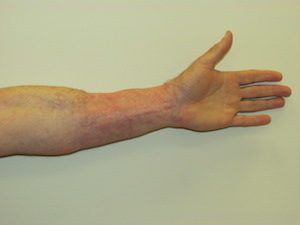
Radial Forearm Flap (RFF) Phalloplasty is the most common type of Phalloplasty. The donor site is thin and supple, allowing the flap to be easily tubed and shaped into a phallus, and the relatively hairless skin provides erogenous sensation and often allows urethral reconstruction in a single stage.
Anterolateral Thigh Phalloplasty

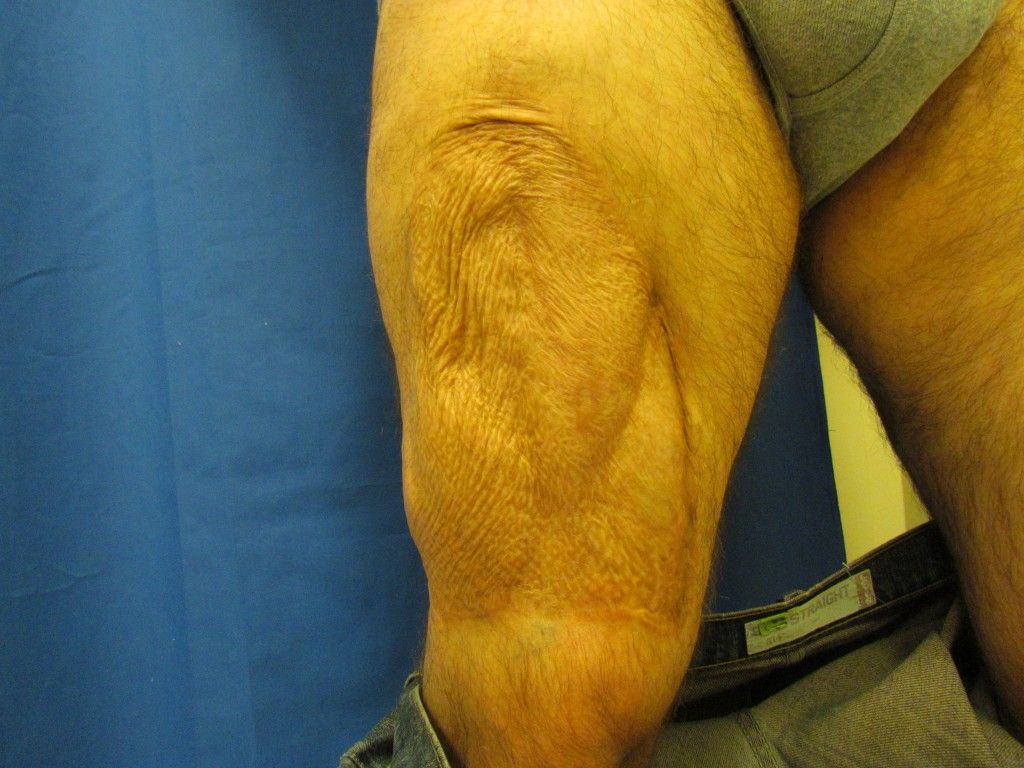
The Anterolateral Thigh (ALT) Flap is a skin, fat, and fascia flap that is supplied by the descending branch of the lateral femoral circumflex vessels and innervated by the lateral femoral cutaneous nerve.  The thickness of the skin and subcutaneous fat is an important factor in determining whether the ALT flap is indicated.  The ALT donor site may require additional procedures to obtain an aesthetically pleasing result.

Delayed ALT Flap

The delayed flap technique involves severing the blood supply to the tissue of the upper thigh that will become the phallus, with the exception of the main blood supply, while leaving the tissue in its anatomical location.  This will allow the tissue some time to adapt to the new blood supply before being moved to the “new” location, usually about 4-6 months. *The delayed flap is an additional step in the ALT Phalloplasty outlined above.

Abdominal Phalloplasty

 At the Crane Center, we’re committed to providing gender-affirming surgical options tailored to your needs. We are proud to offer abdominal phalloplasty, performed by Dr. Rachel Goldstein at our Colorado location and by Dr. Camille Torres at our Texas location. Dr. Goldstein and Dr. Torres are trusted, experienced surgeons specializing in gender-affirming care. 

What is Abdominal Phalloplasty? 

Abdominal phalloplasty is a type of bottom surgery that uses skin and tissue from the lower abdomen to construct a phallus. This technique is an alternative to radial forearm flap (RFF) or anterolateral thigh (ALT) phalloplasty and offers unique benefits, particularly regarding donor-site visibility and recovery. 

Can Abdominal Phalloplasty Include Urethral Lengthening?

 Yes — unlike many practices, Dr. Goldstein offers urethral lengthening with abdominal phalloplasty. This does require a small radial forearm free flap to create the neourethra, but the donor site is significantly smaller than in a full radial forearm phalloplasty — typically just a 4 cm strip from the inner forearm. This means patients can still pursue standing urination while minimizing arm scarring and recovery impact.

Why Choose Abdominal Phalloplasty?

  • Hidden or Minimal Donor Site Scarring* – The primary donor site is the lower abdomen, allowing for discreet scarring.
    • *Note: If urethral lengthening is desired, a small inner forearm donor site is also required. 
  • No Pre-surgical Hair Removal Required – While the abdominal skin can be hair-bearing, patients do not need to undergo hair removal prior to surgery. Some patients choose to do hair removal after, but many are satisfied without. 
  • Natural Aesthetics – The abdominal tissue offers a good color and texture match for many patients, resulting in a natural-looking phallus. 
  • No Skin Grafting or Contour Irregularities – Unlike thigh- or forearm-based phalloplasty, the abdominal flap does not require skin grafting at the donor site, reducing the risk of healing issues and contour irregularities. 
  • Shorter Surgery and Recovery for Stage One – The initial abdominal phalloplasty procedure (without urethral lengthening) is typically less invasive, with a faster recovery and lower risk of complications than other flap-based techniques. 
  • No Microsurgical Anastomosis* – Abdominal phalloplasty alone does not require complex microsurgery to connect blood vessels and nerves.
    • Note*: If urethral lengthening is included, microsurgical techniques are needed for the radial forearm free flap. 


Dr. Goldstein and Dr. Torres bring a wealth of expertise, surgical precision, and patient-centered care to every procedure. She works closely with each patient to tailor the surgical plan to their individual goals, including urethral lengthening, scrotoplasty, and other reconstructive options. Schedule a consultation with Dr. Goldstein or Dr. Torres today!

Warning !

This website contains graphic images. By continuing to our website, you agree that you are 19 years old or above.